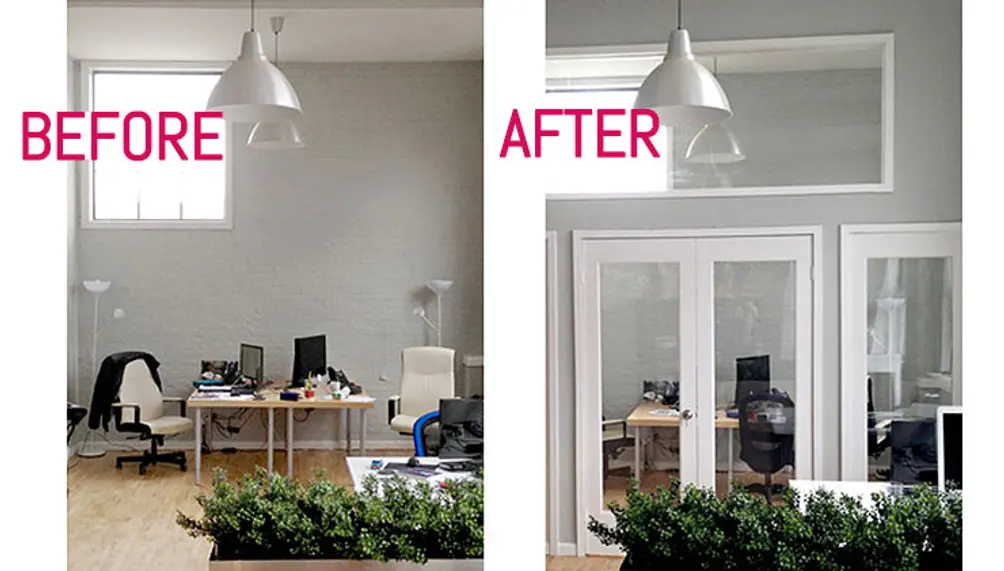
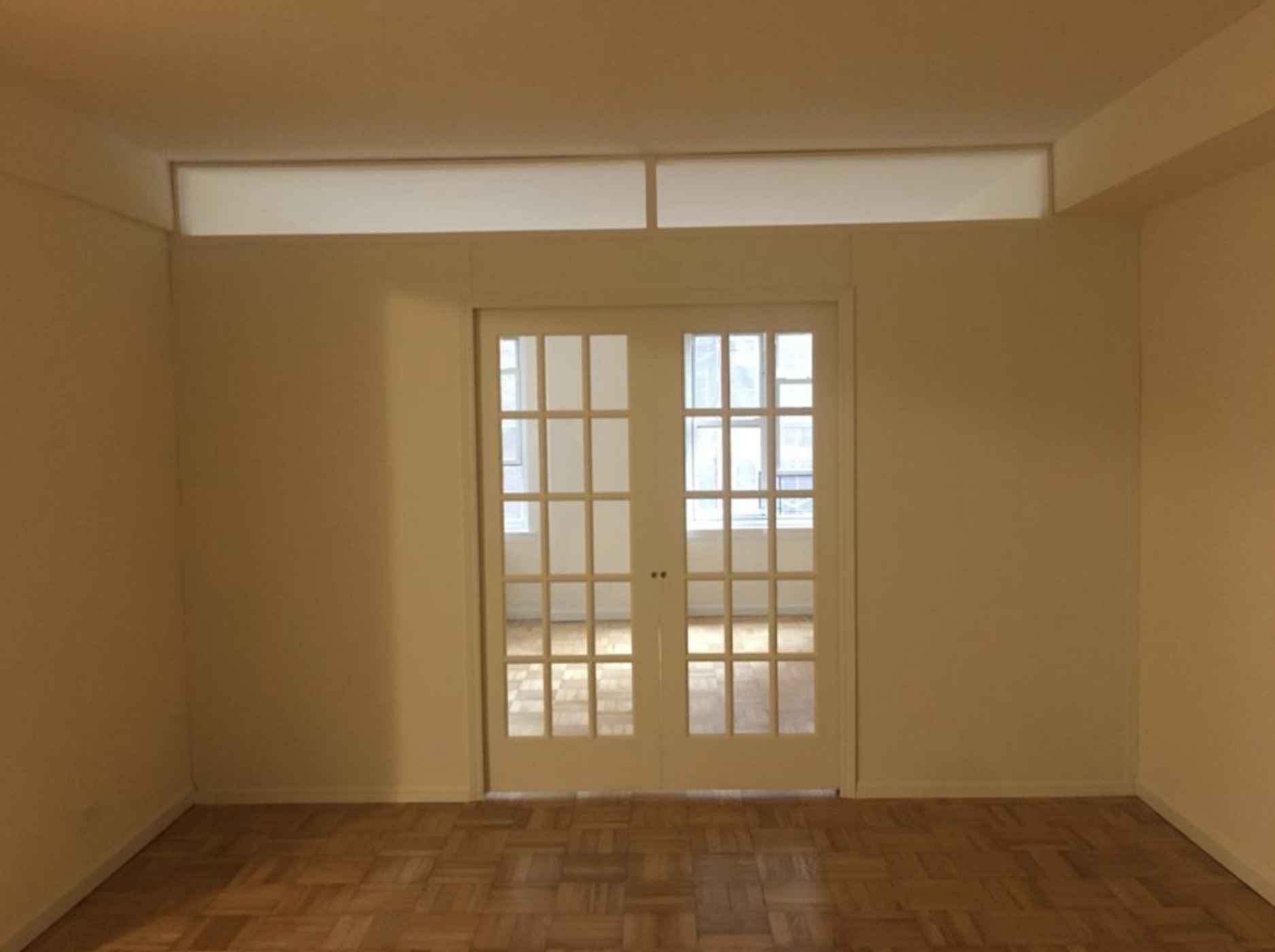
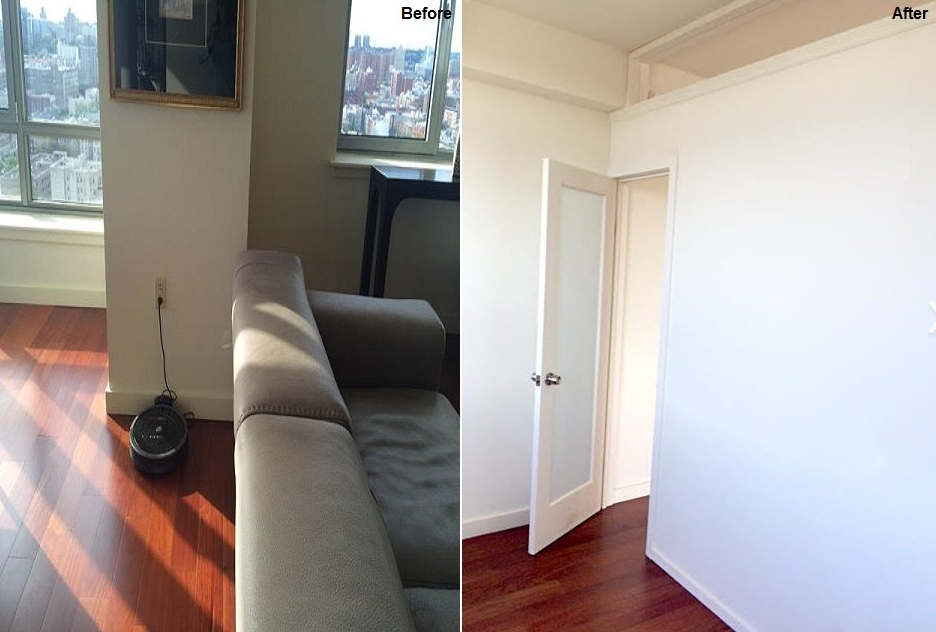
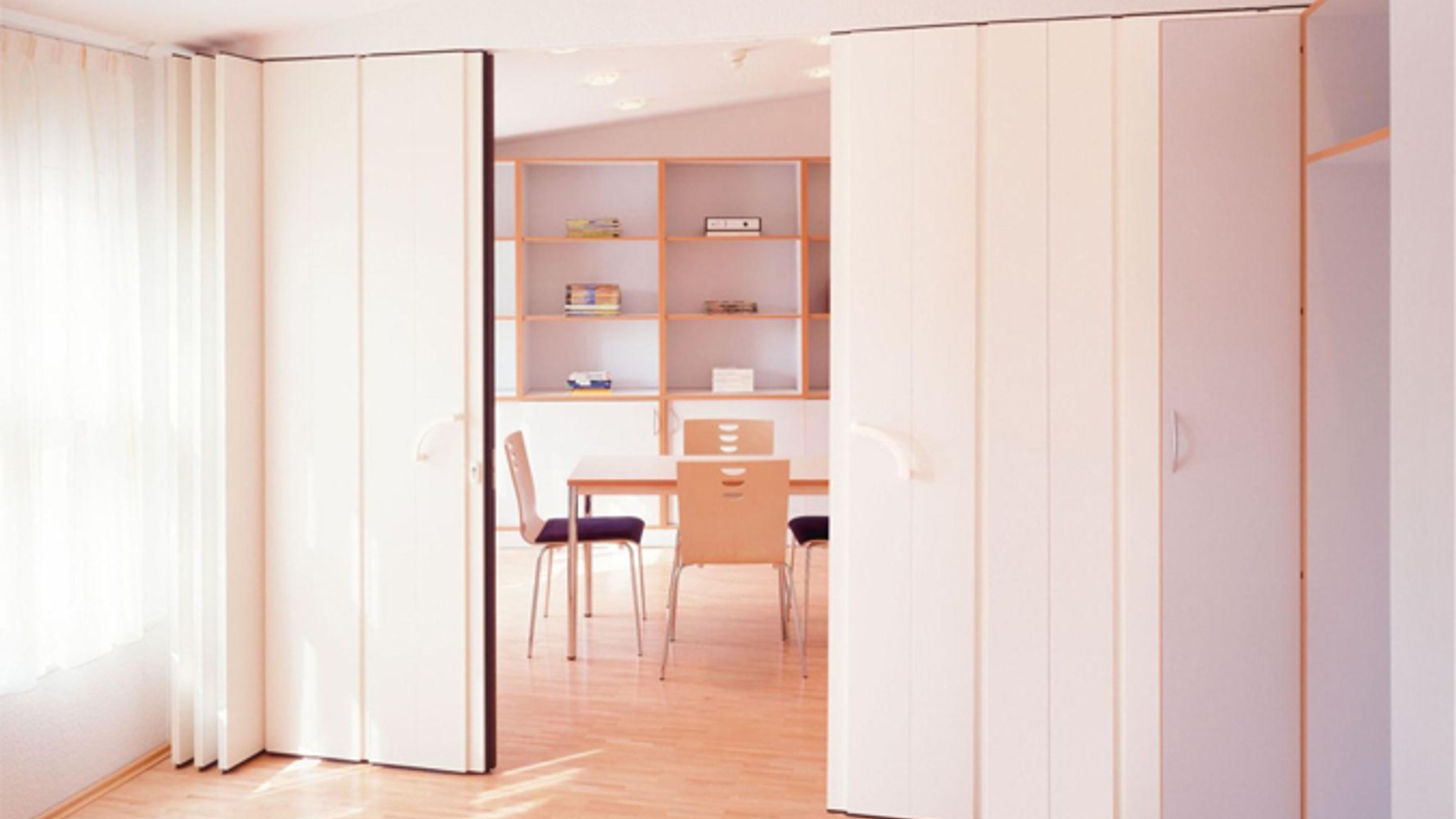
We inexpensively turn your existing space into an additional bedroom office gym or even nursery through the use of our advanced tension system.
Pressurized walls nyc law.
Manhattan pressurized walls was founded on the principle of providing our clients with a leased temporary partition that appears to be as realistic as possible and at the same time easing financial restraints on living in the nyc area and beyond.
11 reviews of pressurized walls nyc i just recently moved to the city and i got a one bedroom apartment that needed a wall for my room.
True temporary walls require a permit from the department of buildings.
Upon leaving a message pressurized walls promptly returned my call with a a free quote that was below market value.
There are many manufacturers of legal pressure walls so you must be certain your wall is lawful.
The walls use pressure to stay in place and do not create any harm to the existing structures.
We are a company that exclusively builds pressurized temporary walls.
After searching around for a variety of companies i found that pressurized wall nyc was by far the best for a variety of reasons.
How to find an apartment where you can use temporary pressurized walls.
Nyc recently began to get tough on temporary walls even though true temporary walls were never legal.
Pressurized walls nyc is located in manhattan but serves all of new york city.
With their unbeatable products they are now one of the leading companies for a variety of wall partition services.
However no local law has been passed banning the use installation leasing of these pressurized walls aka pressurized partitions as the gray area has not been clearly defined by the 2008 printed.
Nyc pressurized walls is a renowned company having years of experience in dealing with the installation of temporary pressurized walls.
Manhattan pressurized walls for years temporary walls have answered the prayers of nyc apartment hunters looking to save space and money.
In mid 2010 new york city authorities started demanding that such walls be removed because they contravene building codes and can pose safety hazards.